
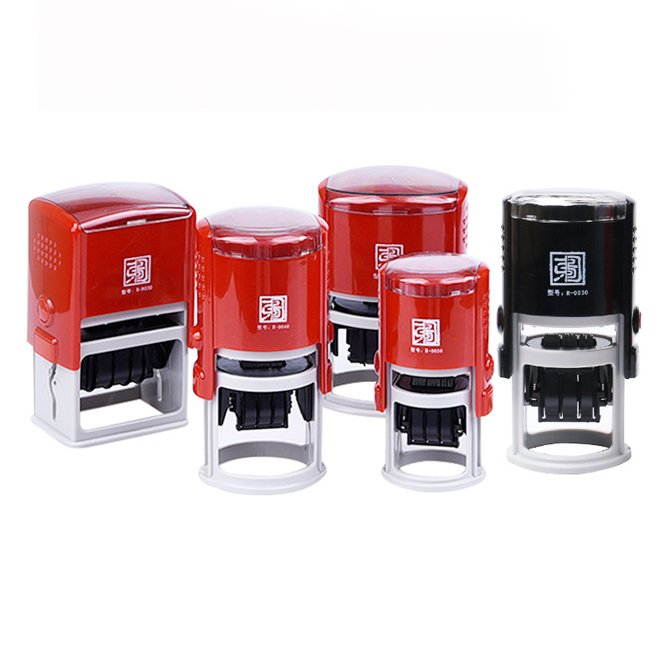

According to the Global Office Supplies Association’s 2023 report, the procurement of eco-friendly stamps by European and American companies increased by 47% year-on-year, while Japan’s market saw a 39% rise. This shift is not merely a symbolic gesture of environmental awareness but a strategic decision driven by regulatory pressure, market expectations, and long-term economic benefits.
In today’s global business environment, switching to sustainable alternatives like eco-friendly stamps—made from biodegradable rubber, plant-based inks, and certified materials—has become a necessary step for companies aiming to maintain compliance, enhance brand reputation, and optimize operational efficiency. This article delves into the four key reasons behind this trend and offers actionable insights for procurement leaders, sustainability managers, and investors.
1. EU ESG Mandates Force Compliance: Traditional Stamps Risk Partnership Losses
The European Union’s Corporate Sustainability Reporting Directive (CSRD) requires large companies to disclose environmental impacts across their operations, including office supplies. Traditional stamps, often made from PVC (a non-recyclable plastic) and synthetic inks containing volatile organic compounds (VOCs), fail to meet these standards.
For instance, in 2022, Bosch, a German automotive parts supplier, lost a €12 million order from a French automotive manufacturer because its procurement practices included PVC-based stamps, which violated the buyer’s sustainability criteria.
This case highlights how even minor components can jeopardize partnerships under strict ESG frameworks. Eco-friendly stamps, certified with labels like FSC (for sustainable wood/paper handles) and ECOCERT (for bio-based inks), ensure compliance. Data from the EU Commission shows that 65% of large enterprises now include office supplies in their ESG audits, making certified stamps a necessity.
2. Brand Reputation Drives Market Preference: Eco-Stamps Win Customer Trust
Consumer preferences are shifting toward eco-conscious brands. A Nielsen survey found that 78% of consumers in developed markets prefer brands that demonstrate environmental responsibility, including sustainable office practices.
Retail giants like Walmart have incorporated this into supplier evaluations: vendors using non-sustainable office materials, including traditional stamps, face lower ratings or exclusion.
In 2023, Walmart downgraded a packaging supplier for using PVC stamps, urging a switch to FSC-certified alternatives. Eco-friendly stamps, often made from materials like bamboo or recycled rubber with plant-based inks, signal a commitment to sustainability that resonates with stakeholders. Companies like Unilever have reported a 15% boost in brand trust scores after publicizing such switches, proving that small changes can enhance market perception.
3. Long-Term Cost Savings: Eco-Stamps Outperform Traditional Ones
While traditional disposable stamps cost $2–5 per unit and last 1–3 months (with additional waste disposal fees of $0.8 per stamp), eco-friendly alternatives—such as refillable stamps with biodegradable rubber heads and ink reservoirs—cost $8–12 upfront but last 1–2 years without disposal costs.
Yamato Transport, a Japanese logistics company, switched to refillable eco-stamps in 2022 and reduced its annual stamp expenses by 32%, saving over $20,000 per year.
The Global Office Supplies Association confirms that reusable office products can lower long-term costs by 25–40%. Additionally, plant-based inks reduce maintenance costs by clogging less often. This economic advantage, coupled with waste reduction, makes eco-stamps a financially sound choice.
4. Supply Chain Risk Avoidance: Eco-Certifications Ensure Smooth Import
Regulations like the EU’s REACH legislation restrict imports of products containing hazardous chemicals, such as phthalates in traditional stamp inks. In 2023, a Chinese stamp manufacturer had a shipment of 5,000 stamps detained at Dutch customs due to non-compliant chemicals, resulting in $150,000 in losses.
Eco-friendly stamps with REACH-compliant plant-based inks and certifications (e.g., ECOCERT for inks, FSC for handles) prevent such risks.
Major U.S. and EU importers now require suppliers to use certified stamps to avoid delays. For example, DHL’s procurement policy mandates FSC/ECOCERT certifications for all office supplies, ensuring seamless cross-border operations. This proactive approach minimizes supply chain disruptions and reinforces reliability.
Conclusion: Three Key Takeaways for Decision-Makers
The transition to eco-friendly stamps is accelerating due to regulatory mandates, brand imperatives, cost savings, and risk mitigation. For companies adapting to this shift, three actions are critical:
- Prioritize suppliers with dual certifications (FSC + ECOCERT) to ensure compliance and market access.
- Evaluate total lifecycle costs, not just upfront prices, to uncover long-term savings.
- Include eco-stamps in ESG reporting to demonstrate tangible progress in sustainability goals.
Industry projections indicate that within 2–3 years, recyclable and biodegradable stamps (e.g., bamboo handles with natural rubber) will dominate over 60% of the global market. By acting now, procurement and sustainability leaders can turn a simple office tool into a strategic advantage—future-proofing their operations while contributing to a circular economy.