
A rubber stamp is far more than a simple tool—it’s a vital element of your business identity, efficiency, and compliance. Well-designed stamps reinforce brand recognition through logos on contracts and invoices, streamline workflows with functional marks like “Approved” or “Void,” and ensure the legal validity of documents in regions where registered stamps are mandatory. However, poor choices can lead to blurred impressions requiring rework, unsanctioned stamps causing legal disputes, or frequent replacements driving up costs. This guide provides actionable strategies to help you select the right stamp—saving time, reducing errors, and supporting professional operations.
Types of Rubber Stamps for Business: Pros, Cons & Use Cases
1. Traditional Rubber Stamps
How It Works: Requires separate ink pad.
Pros: Low cost ($5–$15); ink color can be changed freely.
Cons: Messy ink application; slower process (2–3 steps per impression).
Ideal For: Low-frequency tasks (e.g., archival stamps used <10 times monthly).
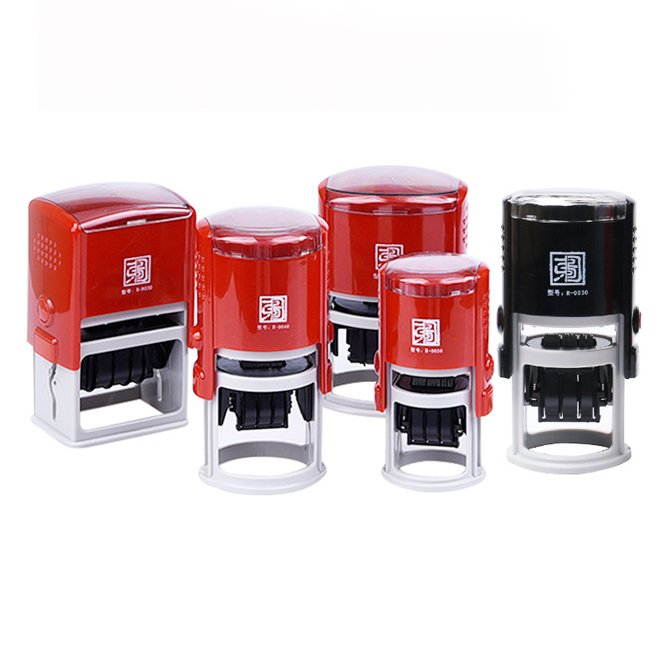
2. Self-Inking Stamps
How It Works: Built-in ink pad releases ink with pressure.
Pros: One-step stamping; efficient for high volume (50+ impressions daily); lifespan ~1,000–5,000 impressions.
Cons: Ink pads require replacement ($3–$8 each); may blur if pad ages.
Ideal For: Invoicing, shipping labels, daily administrative tasks.
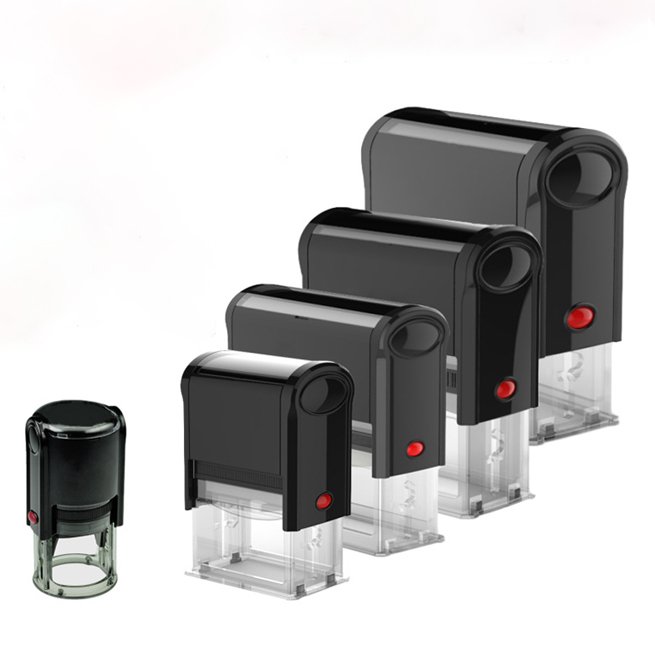
3. Pre-Inked Stamps
How It Works: High-density ink stored within the stamp body.
Pros: Sharp, precise impressions; long-lasting (10,000–20,000 impressions); no external ink needed.
Cons: Higher cost ($30–$60); difficult to recharge once ink depletes.
Ideal For: Legal documents, contracts, official seals requiring clarity and durability.
Legal Compliance: Which Stamps Need Official Registration?
Mandatory Registration:
Corporate seals, financial seals, and contract seals must be registered with authorities (e.g., China’s Administration for Industry and Commerce, or county clerk offices in the US). Unregistered stamps may invalidate contracts.
Industry-specific stamps (e.g., project seals in construction) often require additional registration.
Non-Registered but Regulated Stamps:
Address stamps: Must match business license details exactly to avoid regulatory issues.
Date stamps: Use adjustable mechanisms to prevent manual alteration of dates.
Functional stamps (e.g., “Paid”): Should differ in design from legal stamps to avoid misuse.
International Tips:
Export documents to the EU may require English-language stamps; Middle Eastern regions might need embassy notarization.
Key Selection Factors: 6 Practical Dimensions
Material:
Choose natural rubber for sharp impressions and durability. Avoid synthetic rubber that may crack.
Opt for acrylic/resin bases—lightweight and moisture-resistant—over wooden bases that warp.
Size & Shape:
Standard sizes: 40mm×80mm rectangular (address stamps); 45mm diameter circular (official seals).
Avoid complex shapes to reduce cost and improve stamping consistency.
Customization:
Provide vector logos for clarity; double-check legal details (tax ID, registration number).
Add adjustable date wheels for administrative efficiency.
Frequency of Use:
50/day: Self-inking/pre-inked stamps.
10–50/day: Self-inking stamps.
<10/day: Traditional stamps.
Surface Compatibility:
A4 paper: Standard dye-based ink.
Kraft paper/shipping labels: Fast-drying pigment ink.
Food packaging: FDA/EU 10/2011-certified ink.
Metal/plastic: Solvent-based ink (test adhesion first).
Budget Planning:
Invest in pre-inked stamps for critical uses (e.g., corporate seals); choose traditional stamps for auxiliary functions.
Ink Selection: Avoid “Invalid Stamping”
Dye-Based Ink:
Vibrant colors, dries quickly (1–2 sec). Ideal for internal documents.
Not water-resistant—avoid for outdoor or humid environments.
Pigment-Based Ink:
Waterproof, fade-proof, and tamper-resistant. Suitable for contracts and archives.
Dries slower (3–5 sec); allow drying before stacking pages.
Special Inks:
Food-grade ink: Mandatory for direct food contact (e.g., expiration dates).
UV/plastic ink: Requires ultraviolet curing.
Safety Note: Use only brand-matched inks to prevent clogging; choose non-toxic, benzene-free options.
Industry-Specific Recommendations
Office/Administration:
Pre-inked contract stamp + self-inking address stamp (with date) + traditional archive stamp. Use red ink for compliance.
Retail/E-Commerce:
Compact self-inking stamp (30mm×50mm) with “Shipped” + date. Opt for smudge-proof ink for shipping labels.
Food Processing:
Food-grade pre-inked date stamp + inspection seal. Comply with local standards (e.g., FDA, GB 9685).
International Trade:
Bilingual pre-inked seal (native + English); self-inking customs stamp with HS code. Adjust size to target market (e.g., 38mm×38mm square for the US).
Maintenance & Care: Extend Stamp Lifespan
Cleaning:
Wipe stamp surface with lint-free cloth after use. Never wash self-inking/pre-inked stamps. Re-ink traditional pads weekly.
Storage:
Keep in cool (15–25°C), dry (40–60% humidity) conditions away from sunlight. Store separately to avoid rubber damage.
Replacement Parts:
Replace self-inking pads with OEM models. Add 2–3 drops of specialized ink for pre-inked stamps when faint.